Why Your Grocery Bill Keeps Climbing

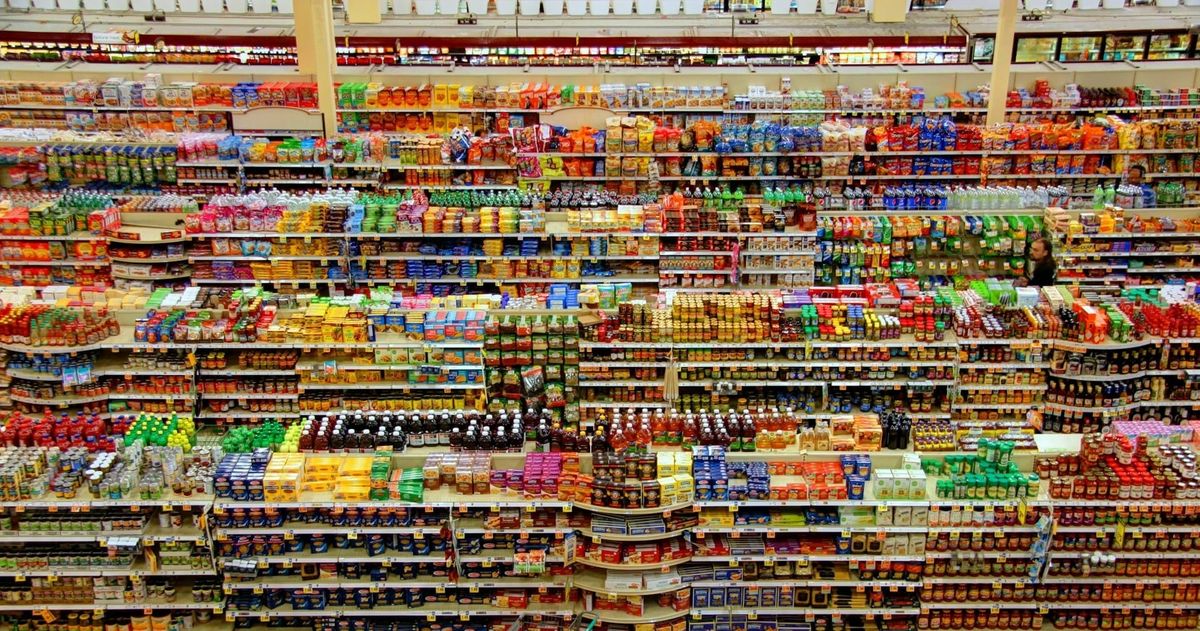
You go to the same grocery store you've shopped at for years. You buy roughly the same things; eggs, bread, chicken, some cereal, maybe a bag of coffee. But lately, you walk out spending $30 more than you used to. Nothing fancy changed. You didn't upgrade your brands. You just bought… the same stuff.
That feeling, that quiet, frustrating sense that your money doesn't go as far as it used to has a name. And understanding what's actually happening behind it is one of the most useful things you can do for your financial life.
The single most important idea here: inflation isn't something that happens to prices in the news it happens to your purchasing power, and knowing how it's measured helps you see it coming before it hits your wallet.
Start Here: What Is Actually Happening?
Forget the word "inflation" for a moment. Here's the underlying reality.
When a lot of money is chasing a limited amount of goods, sellers can charge more. Sometimes that happens because people have more money to spend. Sometimes it's because there's less stuff available (a supply chain breaks, a crop fails, a factory shuts down). Sometimes it's a mix of both.
Whatever the cause, the result is the same: the dollar in your pocket buys less than it used to. A $100 bill that once filled a cart at the grocery store now fills about three-quarters of one.
That's inflation. The word just means: money is losing some of its power to buy things.
Now,how does anyone measure that? That's where the Consumer Price Index, or CPI, comes in.
How the Government Tracks Prices (And What That Means for You)
The Bureau of Labor Statistics (BLS) sends out actual surveyors to track the prices of thousands of specific items across hundreds of cities every month. We're talking about a very specific list not just "food," but things like: a pound of ground beef in Atlanta, a gallon of regular gas in Chicago, a monthly rent payment in Phoenix.
They track about 80,000 individual prices each month.
Then they group those items into categories that reflect how a typical American household spends money things like housing, food, transportation, healthcare, and entertainment. They weight those categories based on what households actually spend the most on. (Housing gets a big weight because rent or a mortgage is most people's biggest expense. A yacht rental does not make the list.)
The resulting number the CPI — is essentially the government's best attempt to answer: How much does it cost to live a normal life this month, compared to last month, or last year?
When you hear that "inflation is at 3.4%," what that means in plain terms is: the same basket of goods and services that cost $100 a year ago now costs $103.40.
Why This Shows Up in Your Life Before You Even Notice It
Here's where it gets personal.
Your paycheck is a fixed number — prices aren't
If you earn $60,000 a year and inflation runs at 4%, your paycheck has the same number of dollars on it but it buys 4% less stuff. In real terms, you got a pay cut. You didn't feel it happen. Nothing changed on your stub. But the math says you're worse off.
This is called losing real purchasing power, and it's one of the quietest financial pressures most people face. No one sends you a notice. You just find yourself a little more stretched at the end of each month.
Fixed bills feel different as prices move around them
Some of your expenses are fixed your rent (if you have a lease), your car payment, your mortgage. Those don't move with inflation in the short term. But everything else does. So when grocery prices, gas prices, and utility bills all move up, the fixed parts of your budget take up a larger percentage of your actual flexibility. The room you had to save, or spend on something you enjoy, quietly shrinks.
Savings accounts and inflation are in a quiet tug of war
If your savings account earns 1% interest and inflation is running at 4%, your savings are growing in dollar terms — but shrinking in real terms. You have more dollars. Each dollar buys less. Net result: you're falling behind even while you're saving.
This is the mechanism that makes inflation feel so insidious. You can do everything right and still lose ground if you're not aware of it.
The Hidden Actors: Who Benefits From Inflation (And Who Doesn't)
Inflation isn't neutral. It redistributes quietly.
Borrowers can benefit. If you took out a fixed-rate mortgage five years ago at $1,500/month, that payment stays $1,500. But if wages and prices rise with inflation, $1,500 gets easier and easier to afford over time. The real cost of your debt goes down. Inflation partially erodes what you owe — in real terms.
Savers and people on fixed incomes get squeezed. If you're retired and living off a pension that doesn't adjust for inflation, or if you have money sitting in a low-yield savings account, inflation is quietly taking a slice of your purchasing power every year. This is why retirees watch inflation closely — and why Social Security has a cost-of-living adjustment (COLA) tied to CPI every year.
Lenders and banks pay attention to CPI reports. When inflation runs high, the Federal Reserve tends to raise interest rates to cool things down. When rates rise, borrowing gets more expensive — mortgages, car loans, credit cards. So a CPI report that comes in "hotter than expected" can directly affect the rate you'd be offered on a loan the following month.
The practical point: CPI data isn't just an economic statistic. It triggers real decisions by real institutions that then ripple into your actual financial options.
A Real-World Analogy
Think of your purchasing power like a full tank of gas. Inflation is a slow leak. Every month, you look at the gauge and it seems basically fine — maybe a little lower than you'd expect. But over a year, you realize you've been losing fuel the whole time without a single dramatic moment to notice it. The leak doesn't announce itself. You just end up running on empty sooner than you planned.
One Honest Limitation Worth Knowing
CPI is a useful measure, but it's an average — and your life isn't average.
If you rent in a high-cost city where rents have spiked 15%, the national CPI number may not reflect your reality. If you drive a lot and gas prices surge, you feel that more than someone who takes transit. The CPI gives a useful signal, but your personal inflation rate depends on your specific spending mix.
So use CPI as a directional guide, not a precise description of your budget. It tells you the overall trend. Your bank account tells you the personal truth.
What to Watch For
A few things worth paying attention to going forward:
-
Monthly CPI reports: Released by the BLS around the second week of each month. You don't need to read the whole thing — just notice whether the number is going up, coming down, or holding steady, and in which categories.
-
The "core CPI" number: This strips out food and energy prices (which are volatile month to month) to give a cleaner picture of underlying inflation pressure. If core CPI stays elevated even when gas prices drop, that's a sign the inflation is more broad-based.
-
Your own "personal CPI": Start noticing where your spending has actually changed. If your grocery and utility bills have risen significantly but you haven't seen a raise, that gap is your real-world inflation problem — regardless of what the headline number says.
-
Federal Reserve signals: When inflation data comes in high, watch for language about interest rate increases in Fed statements. Rate changes usually follow within weeks to months, and they affect everything from credit card rates to mortgage offers.
You don't need to become an economist to use this information well. You just need to notice the pattern and connect it to your own situation before it quietly catches up with you.
Want to see where inflation stands right now? Check the live CPI data on the Sora Finance Dashboard — updated in real time so you always have the current picture.